Chicken Run Ideas Using Recycled Materials
Highlighted under: Exotic Delights
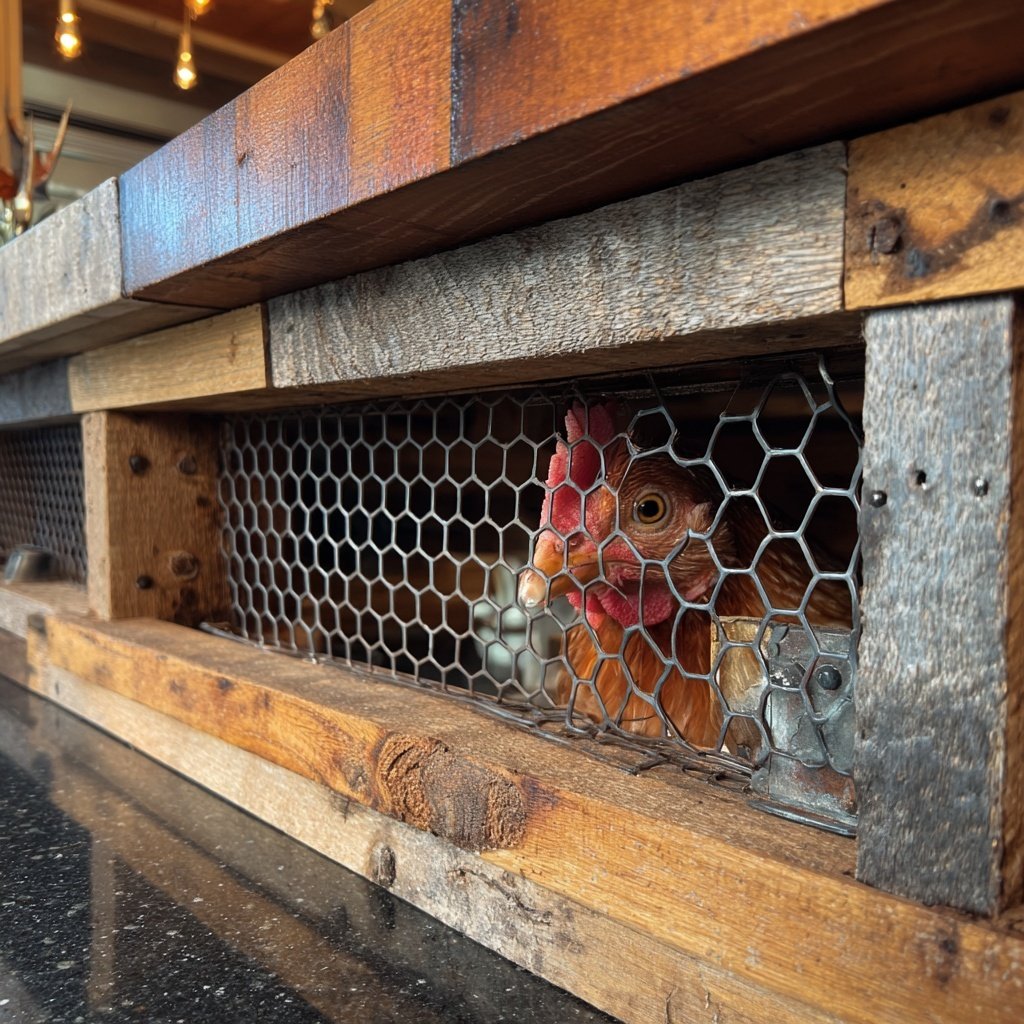
I love finding creative ways to recycle materials, and building a chicken run is no exception. Recently, I set out to design a functional, safe space that my chickens would enjoy, all while being gentle on the environment. Using items I already had around the house, like old pallets and mesh from a broken garden enclosure, I transformed my backyard with a cozy and practical chicken run. This project not only made me feel accomplished, but it also provided my hens with a happy place to roam and peck.
When I embarked on this project, my main goal was to create a safe haven for my chickens without spending a dime. I rummaged through my garage and found piles of old wood, wire, and other materials that I could repurpose. It was thrilling to envision how these scraps could come together to create a cozy environment for my feathered friends.
As I built, I learned that mixing sturdy materials, like pallets for the base and lighter boxes for the upper sections, provided both stability and comfort. I also discovered that adding some greenery not only beautified the run but offered my chickens a natural source of entertainment and shelter. The result was more than just a structure; it became a vibrant part of my garden.
Why You'll Love This Project
- Eco-friendly solution for your backyard animals
- Creative use of everyday materials promotes sustainability
- Simple construction makes it easy to customize to your needs
Understanding Material Choices
The materials you choose for your chicken run play a vital role in its durability and safety. Old pallets are not only eco-friendly but also provide a strong framework for your run. When selecting pallets, opt for ones that are free from chemical treatments, as these can harm your chickens. A quick inspection for rot or damage will ensure they remain safe. Additionally, consider the weather conditions in your area; properly treated wood will withstand the elements better and should be prioritized.
Wire mesh is another critical component. It should be strong enough to deter predators while allowing airflow. If you're using old garden mesh, check for any rips or weaknesses. A helpful tip I learned is to double up the mesh in high-risk areas, like doorways, to enhance security. Make sure the openings in the mesh are small enough to keep out rodents and other small animals, which can pose a threat to your chickens.
Customizing Your Chicken Run
Customization is where your chicken run becomes truly unique to your needs. When designing your layout, think about the integration of features like nesting boxes or dust baths. These additions can help create a more comfortable habitat for your chickens, promoting their natural behaviors. I recommend including a shaded area with a slanted roof to help keep them cool during hot days, as chickens can easily overheat in direct sunlight.
Another element to consider is the flooring of your run. While pallets work perfectly as a base, adding a layer of sand or gravel can enhance drainage and reduce odors. Sand is particularly beneficial as it helps control pests and provides an area for chickens to dust bathe. Depending on your space, you can choose to leave the ground bare, which encourages natural foraging, or you can cover it with straw or wood shavings for easier cleanup.
Ingredients
Materials Needed
- Old pallets
- Wire mesh or chicken wire
- Wooden planks
- Nails or screws
- Hinges (for doors)
- Paint (optional for aesthetics)
- Recycled containers (for food and water)
Instructions
Building a chicken run using recycled materials is straightforward as long as you have the right vision and tools. Here’s how I did it:
Gather Your Materials
Start by collecting all the materials you plan to use. Old pallets work wonderfully as sturdy walls and flooring, while wire mesh can keep the chickens securely enclosed. Don't forget to gather nails, screws, and tools for assembly.
Design Your Layout
Before you start building, sketch out a rough design. Determine how much space you want for your chickens and consider adding features such as nesting boxes or shaded areas.
Assemble the Base
Using the pallets, create a horizontal base that is solid and can hold the weight of the chickens. Ensure it’s level and stable before moving on.
Build the Walls
Attach the pallets vertically to the base to form the walls. Use nails or screws to secure them firmly. This will provide a strong structure for your run.
Add the Roof
If you choose to enclose the top, secure wooden planks or use the wire mesh on top to prevent predators from gaining access. This step is crucial for protection.
Create Entrances
Leave space for a door or hatch that allows you easy access for feeding and cleaning. Hinges will make it easier to open and close.
Finishing Touches
Add any decorative elements or paint if desired. Once complete, place some recycled containers for feeding and watering your chickens, and bring your birds to their new home.
After constructing your chicken run, make sure to regularly inspect it for any wear or damage. Keeping it clean and well-maintained will ensure a safe, happy environment for your chickens.
Pro Tips
- Consider configuring your chicken run layout based on the space available in your yard, making it as large as possible for your chickens to roam freely. Plus, using air circulation strategies will keep the environment fresh and comfortable during warmer months.
Maintenance Tips
Regular maintenance of your chicken run is crucial to ensure a healthy environment for your birds. Check the integrity of the structure every few weeks, particularly after severe weather events. Look for any loose screws or nails and re-secure them to prevent accidents. Additionally, it's important to clean the run regularly to prevent the buildup of waste, which can attract pests and lead to health issues for your chickens.
I recommend a thorough cleaning every month, where you can remove leftover food and waste, refreshing the bedding material. This not only keeps the environment clean but also reduces odors. Make sure to visually inspect the chickens for any signs of discomfort or illness, and address any issues promptly to keep your flock healthy.
Seasonal Considerations
As the seasons change, so should your approach to maintaining your chicken run. In the winter, consider insulating parts of the structure without blocking airflow. You can use straw bales to create windbreaks or add tarps to shield from harsh weather. Ensuring that your chickens can retain heat in colder months is crucial, so having adequate shelter within the run can make a big difference in their comfort.
During spring and summer, monitor for pests like flies or mites, which can thrive in warmer conditions. Keeping the run clean is even more important during these months to prevent infestations. I often find that adding fresh herbs like mint or lavender to their space not only creates a pleasant aroma but can also act as natural pest deterrents, benefiting both me and my flock.
Questions About Recipes
→ Can I use any type of wood for the chicken run?
It's best to use untreated wood to ensure it's safe for your chickens. Treated wood can contain chemicals harmful to them.
→ How do I keep predators out?
Ensure that your chicken run has a sturdy base and that the wire mesh is securely fastened. Covering the top will also help deter birds of prey.
→ Do I need to paint the chicken run?
Painting is optional, but if you do, use non-toxic paint to keep your chickens safe.
→ How much space do chickens need?
Generally, provide at least 10 square feet per chicken for a comfortable environment.
Chicken Run Ideas Using Recycled Materials
Created by: Veronica Miles
Recipe Type: Exotic Delights
Skill Level: Beginner
Final Quantity: 1 chicken run
What You'll Need
Materials Needed
- Old pallets
- Wire mesh or chicken wire
- Wooden planks
- Nails or screws
- Hinges (for doors)
- Paint (optional for aesthetics)
- Recycled containers (for food and water)
How-To Steps
Start by collecting all the materials you plan to use. Old pallets work wonderfully as sturdy walls and flooring, while wire mesh can keep the chickens securely enclosed. Don't forget to gather nails, screws, and tools for assembly.
Before you start building, sketch out a rough design. Determine how much space you want for your chickens and consider adding features such as nesting boxes or shaded areas.
Using the pallets, create a horizontal base that is solid and can hold the weight of the chickens. Ensure it’s level and stable before moving on.
Attach the pallets vertically to the base to form the walls. Use nails or screws to secure them firmly. This will provide a strong structure for your run.
If you choose to enclose the top, secure wooden planks or use the wire mesh on top to prevent predators from gaining access. This step is crucial for protection.
Leave space for a door or hatch that allows you easy access for feeding and cleaning. Hinges will make it easier to open and close.
Add any decorative elements or paint if desired. Once complete, place some recycled containers for feeding and watering your chickens, and bring your birds to their new home.
Extra Tips
- Consider configuring your chicken run layout based on the space available in your yard, making it as large as possible for your chickens to roam freely. Plus, using air circulation strategies will keep the environment fresh and comfortable during warmer months.
Nutritional Breakdown (Per Serving)
- Calories: 0 kcal
- Total Fat: 0g
- Saturated Fat: 0g
- Cholesterol: 0mg
- Sodium: 0mg
- Total Carbohydrates: 0g
- Dietary Fiber: 0g
- Sugars: 0g
- Protein: 0g