High Protein Pescatarian Meals
Highlighted under: Wellness Meals Co.
Discover a variety of delicious and nutritious high protein pescatarian meals that are perfect for any occasion.
This collection of high protein pescatarian meals offers a delightful range of options, from refreshing salads to hearty main dishes. Enjoy the benefits of a protein-rich diet while indulging in the fresh flavors of the sea.
Why You Will Love This Recipe
- Packed with essential nutrients and protein
- Delicious seafood flavors complemented by fresh ingredients
- Easy to prepare and perfect for meal prep
- Great variety to keep your meals exciting
Nutritional Benefits of Pescatarian Diet
A pescatarian diet is rich in essential nutrients, particularly omega-3 fatty acids, which are crucial for heart and brain health. Seafood, especially fatty fish like salmon, provides high-quality protein that is easy to digest and helps maintain muscle mass. Incorporating a variety of fish into your meals can also improve your mood and cognitive function, making it a smart choice for overall well-being.
In addition to protein, pescatarian meals are packed with vitamins and minerals. Fish is an excellent source of vitamin D and B vitamins, while vegetables like spinach and bell peppers contribute fiber, antioxidants, and a wealth of vitamins A and C. This combination supports a healthy immune system and encourages optimal digestion, making your meals not just tasty, but also nourishing.
Meal Prep Made Easy
One of the biggest advantages of preparing high protein pescatarian meals is their convenience for meal prep. The ingredients used in these recipes can be easily cooked in bulk and stored for several days, allowing you to enjoy healthy, home-cooked meals without the daily hassle. Quinoa, for example, can be made in advance and paired with different proteins and vegetables throughout the week, adding variety to your meals.
Additionally, assembling these dishes is quick and straightforward. Most steps require minimal cooking time and can be completed in under 30 minutes, making it easy to whip up a nutritious dinner after a long day. This efficiency helps you stay committed to your health goals without sacrificing time or taste.
Variety and Flavor Combinations
Pescatarian meals offer great flexibility in terms of flavor combinations and ingredient choices. You can mix and match different types of seafood, such as shrimp, tilapia, or tuna, with an array of grains and vegetables. This not only keeps your meals exciting but also allows you to experiment with different cuisines, from Mediterranean to Asian-inspired dishes.
Moreover, fresh herbs and citrus can elevate the taste of your meals significantly. Adding ingredients like basil, cilantro, or lime can create vibrant flavors that complement the natural taste of seafood. With endless possibilities, you’ll never feel bored with your pescatarian meals.
Ingredients
Gather your ingredients before starting the recipe for a smoother cooking experience.
Ingredients for Pescatarian Meals
- 1 lb salmon fillet
- 1 cup quinoa
- 2 cups spinach
- 1 bell pepper, diced
- 1/2 cup cherry tomatoes, halved
- 1 avocado, sliced
- 2 tbsp olive oil
- 1 lemon, juiced
- Salt and pepper to taste
- Fresh herbs for garnish
Make sure to store any leftovers in an airtight container in the refrigerator.
Instructions
Follow these steps to create your high protein pescatarian meal.
Cook the Quinoa
Rinse the quinoa under cold water and then cook it in a pot with 2 cups of water. Bring to a boil, then reduce heat and simmer for 15 minutes until fluffy.
Prepare the Salmon
Season the salmon fillet with olive oil, lemon juice, salt, and pepper. Heat a skillet over medium heat and cook the salmon for about 6-8 minutes on each side, or until cooked through.
Sauté the Vegetables
In the same skillet, add the spinach, bell pepper, and cherry tomatoes. Sauté for 5 minutes until the vegetables are tender.
Assemble the Plate
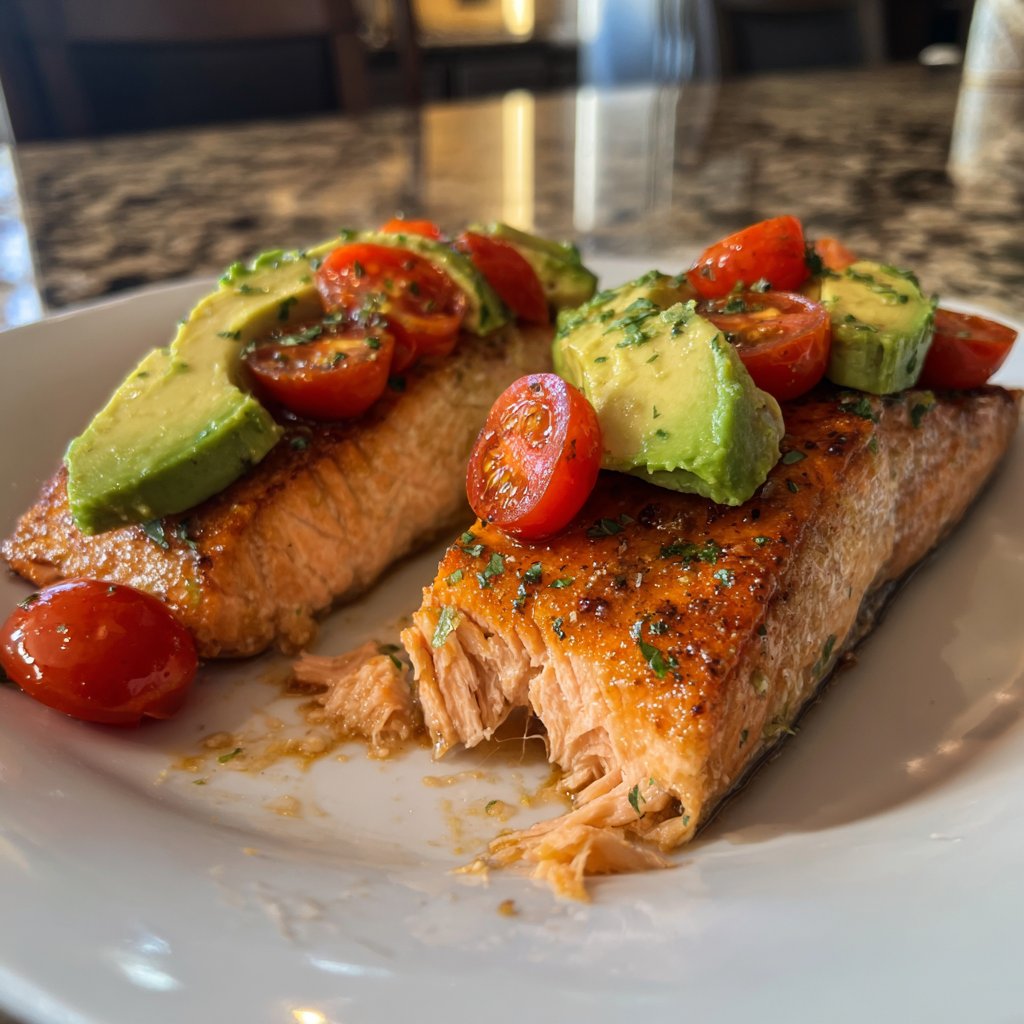
On a plate, add a scoop of quinoa, top with sautéed vegetables, and place the salmon fillet on top. Garnish with avocado slices and fresh herbs.
Enjoy your delicious and nutritious high protein pescatarian meal!
Pro Tips
- Feel free to substitute salmon with another fish like tuna or shrimp for variety.
Cooking Techniques for Perfect Seafood
When it comes to cooking seafood, mastering a few techniques can enhance your culinary skills. Grilling, baking, and pan-searing are popular methods that bring out the natural flavors of fish. For instance, grilling salmon can create a delicious smoky flavor while retaining its moisture. Be sure to monitor the cooking time closely to prevent overcooking, which can make the fish dry and tough.
Another tip is to let the seafood rest after cooking. This allows the juices to redistribute, resulting in a tender and flavorful dish. Pair your fish with fresh sides, like a zesty salad or roasted vegetables, for a well-rounded meal that satisfies your palate.
Incorporating Seasonal Ingredients
Using seasonal ingredients not only enhances the flavor of your meals but also supports local farmers and reduces environmental impact. Seasonal vegetables are often fresher and more nutrient-dense, making your pescatarian dishes even more wholesome. For example, in the spring, you might enjoy asparagus and peas, while summer brings an abundance of tomatoes and zucchini.
By incorporating these seasonal ingredients, you can create vibrant dishes that reflect the time of year. This practice not only keeps your meals interesting but also encourages you to try new recipes and flavors, enriching your overall cooking experience.
Storing Leftovers Safely
Leftover fish and seafood can be a delightful addition to your next meal, but proper storage is essential to maintain freshness and prevent foodborne illnesses. Always refrigerate leftovers within two hours of cooking, and store them in airtight containers to preserve flavor and texture. Fish can generally be kept in the refrigerator for up to three days.
If you want to extend the shelf life of your cooked seafood, consider freezing it. Properly wrapped in freezer-safe packaging, cooked fish can last for up to three months. When you're ready to enjoy it again, simply thaw in the refrigerator overnight and reheat gently to preserve its quality.
Questions About Recipes
→ Can I use frozen fish?
Yes, frozen fish works well. Just ensure it is fully thawed before cooking.
→ Is this recipe gluten-free?
Yes, as long as you use gluten-free quinoa, this meal is gluten-free.
→ How can I store leftovers?
Store leftovers in an airtight container in the refrigerator for up to 3 days.
→ Can I make this dish in advance?
Yes, you can prepare the quinoa and vegetables in advance, then reheat them before serving.

High Protein Pescatarian Meals
Created by: Veronica Miles
Recipe Type: Wellness Meals Co.
Skill Level: Intermediate
Final Quantity: 4 servings
What You'll Need
Ingredients for Pescatarian Meals
- 1 lb salmon fillet
- 1 cup quinoa
- 2 cups spinach
- 1 bell pepper, diced
- 1/2 cup cherry tomatoes, halved
- 1 avocado, sliced
- 2 tbsp olive oil
- 1 lemon, juiced
- Salt and pepper to taste
- Fresh herbs for garnish
How-To Steps
Rinse the quinoa under cold water and then cook it in a pot with 2 cups of water. Bring to a boil, then reduce heat and simmer for 15 minutes until fluffy.
Season the salmon fillet with olive oil, lemon juice, salt, and pepper. Heat a skillet over medium heat and cook the salmon for about 6-8 minutes on each side, or until cooked through.
In the same skillet, add the spinach, bell pepper, and cherry tomatoes. Sauté for 5 minutes until the vegetables are tender.
On a plate, add a scoop of quinoa, top with sautéed vegetables, and place the salmon fillet on top. Garnish with avocado slices and fresh herbs.
Extra Tips
- Feel free to substitute salmon with another fish like tuna or shrimp for variety.
Nutritional Breakdown (Per Serving)
- Calories: 450 kcal
- Total Fat: 25g
- Saturated Fat: 4g
- Cholesterol: 70mg
- Sodium: 300mg
- Total Carbohydrates: 30g
- Dietary Fiber: 5g
- Sugars: 4g
- Protein: 35g