Seasonal & Festive Thanksgiving Herb Stuffed Turkey
Highlighted under: Festive Creations Studio
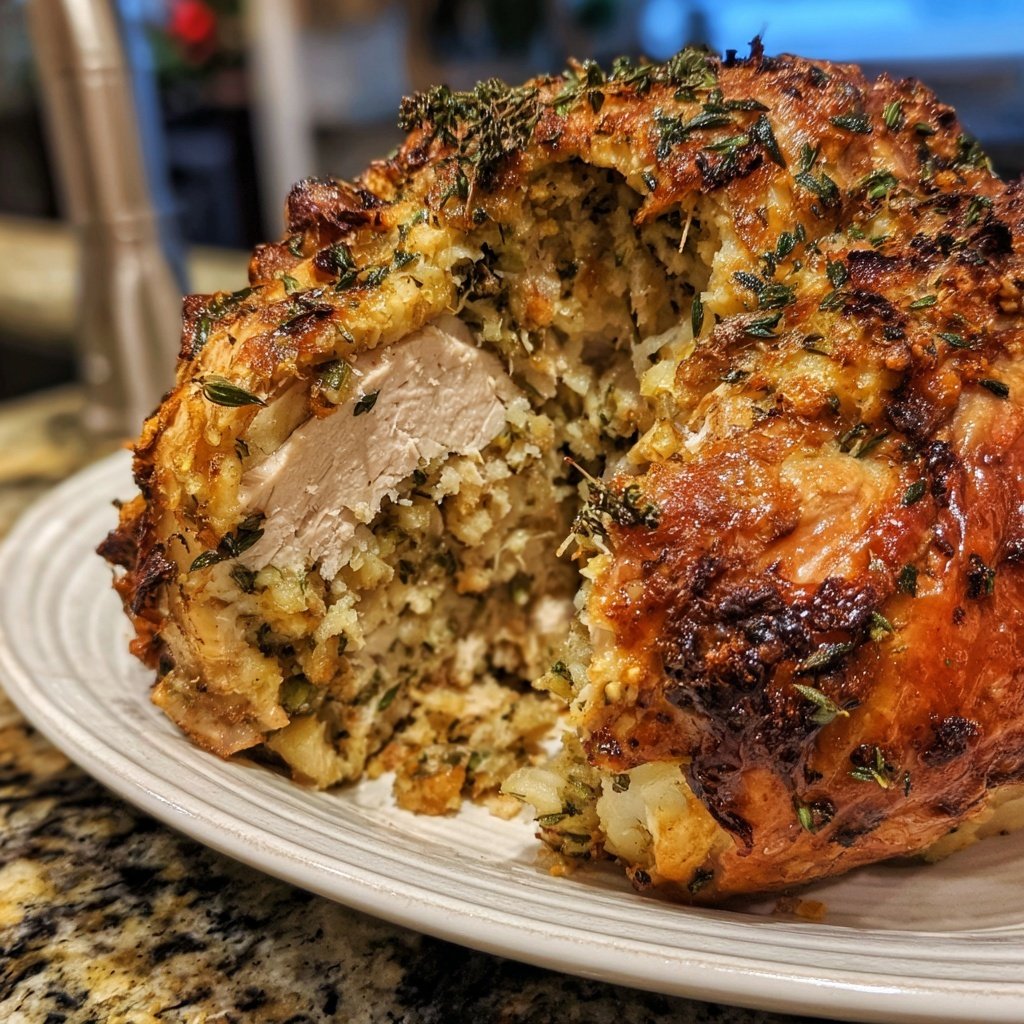
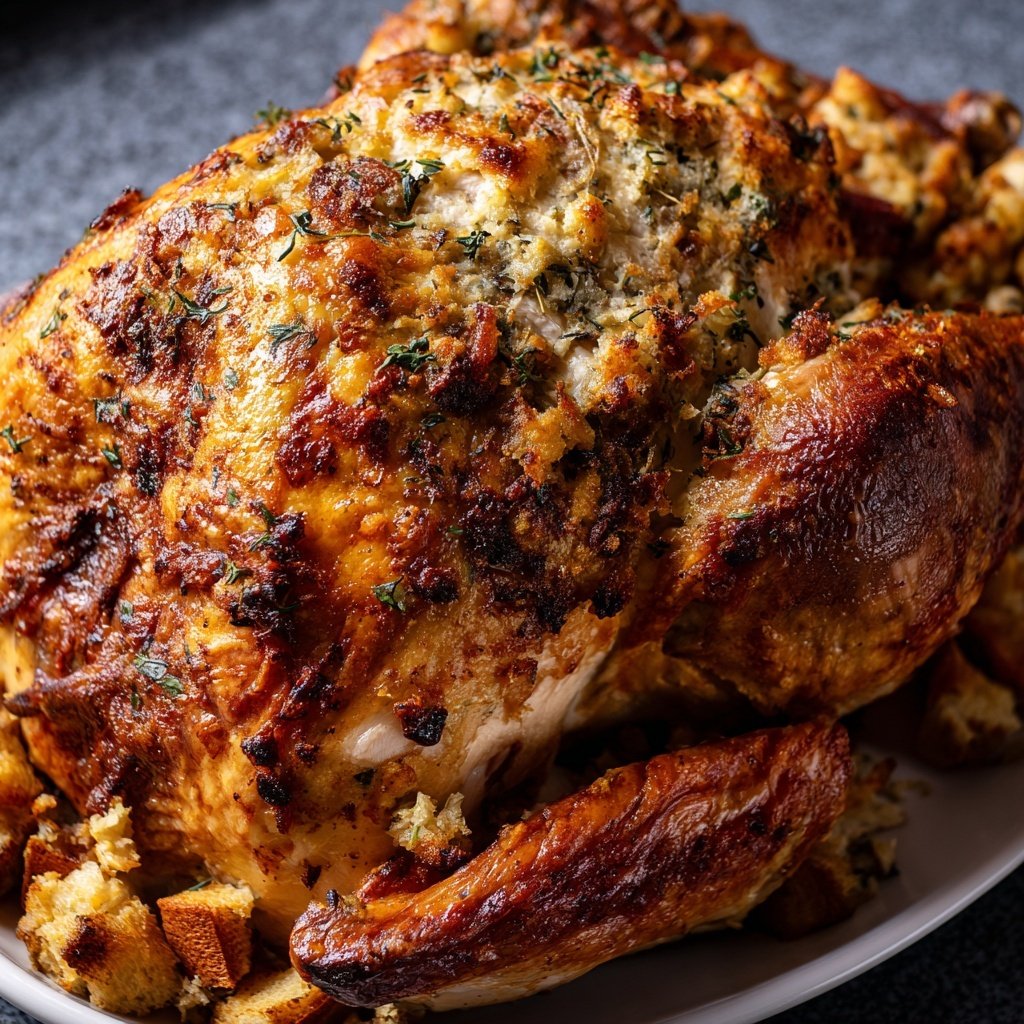
Every Thanksgiving, I aim to create a feast that embodies warmth and gratitude, and this herb-stuffed turkey truly brings that spirit to the table. The blend of seasonal herbs combined with a moist turkey creates an unforgettable dish that impresses family and friends alike. The preparation may take time, but the aroma and flavors that unfold are worth every minute. Trust me, your holiday table deserves this festive centerpiece to make the day even more special.
When I first tackled the idea of a herb-stuffed turkey, I was a bit intimidated. However, I quickly learned that properly seasoning the cavity is essential for flavor. I recommend a mix of sage, thyme, and rosemary, as they not only scent your home beautifully but also infuse the turkey with incredible taste. I’ve had great success using day-old bread for stuffing; it absorbs flavors better and retains a satisfying texture.
This turkey became a staple at my Thanksgiving table because it’s more than just a meal; it’s a cherished memory. The crispy skin paired with the savory stuffing is pure comfort food. If you’re cooking for a crowd, don’t be afraid to make two turkeys; leftovers make for delicious sandwiches, and who doesn’t love that?
Why You'll Love This Recipe
- Herb-infused stuffing that brings out the turkey's natural flavors
- A golden, crispy skin that makes for a stunning presentation
- Leftover turkey makes for delicious sandwiches and meals
The Importance of Herb Selection
Choosing the right herbs for your stuffing can elevate the overall flavor profile of your turkey. Fresh sage, thyme, and rosemary are classic choices that complement the rich meat beautifully. If you prefer to experiment, consider using tarragon or even a touch of marjoram for a unique twist. Remember that dried herbs can be a suitable substitute if fresh ones aren't available; just use about one-third of the amount, as their flavor is more concentrated.
Slicing fresh herbs just before use helps release their essential oils, creating vibrant flavors that permeate the stuffing. Take care not to chop them too finely; a coarse chop retains more texture and helps them stand out in the dish. For the best results, mix the herbs into the butter before combining with the bread for an aromatic infusion.
Perfecting Your Roast
Roasting the turkey at a consistent 325°F (165°C) allows for even cooking, resulting in a juicy interior and golden, crispy skin. If you notice your turkey browning too quickly, loosely cover it with aluminum foil to prevent burning. It's advisable to baste the turkey with the pan drippings every 30 to 45 minutes; this not only enriches the skin but also helps maintain moisture in the meat.
Using a meat thermometer is essential for ensuring the turkey is cooked properly. Insert it into the thickest part of the thigh without touching the bone; a reading of 165°F (74°C) indicates it’s safe to eat. For added moisture and flavor, consider adding a cup of chicken broth or water to the bottom of the roasting pan, which can also create delicious drippings for gravy.
Ingredients
For the Turkey
- 1 whole turkey (12-14 pounds)
- 2 cups day-old bread, cubed
- 1 cup onions, chopped
- 1 cup celery, chopped
- 1 cup carrots, chopped
- 3 tablespoons fresh sage, chopped
- 3 tablespoons fresh thyme, chopped
- 3 tablespoons fresh rosemary, chopped
- 1/2 cup unsalted butter, melted
- Salt and pepper to taste
Instructions
Preparation Steps
Preheat the Oven
Preheat your oven to 325°F (165°C).
Prepare the Stuffing
In a large bowl, combine the cubed bread, onions, celery, carrots, fresh herbs, and melted butter. Season generously with salt and pepper and mix well.
Stuff the Turkey
Gently spoon the stuffing mixture into the turkey cavity, being careful not to pack it too tightly.
Roast the Turkey
Place the turkey on a roasting rack in a large roasting pan. Brush the skin with melted butter and season with salt and pepper. Roast for about 3 hours or until the internal temperature reaches 165°F (74°C) in the thickest part of the turkey thigh.
Rest the Turkey
Once cooked, let the turkey rest for at least 20 minutes before carving to allow the juices to redistribute.
Enjoy your festive turkey with sides of your choice!
Pro Tips
- To ensure your turkey stays moist, consider brining it overnight in saltwater. This helps in flavor enhancement and moisture retention.
Storage and Leftover Ideas
Once your turkey has cooled down, store leftovers in airtight containers. For maximum freshness, use them within three to four days if kept in the refrigerator. If you plan to keep them longer, consider freezing individual portions; frozen turkey can last up to four months. Be sure to label containers with the date you cooked the turkey.
Leftover turkey makes for more than just sandwiches! You can create a hearty turkey soup by simmering the meat with vegetables and broth, or incorporate it into casseroles. For a refreshing twist, shred the turkey and toss it in a salad with cranberries and pecans for a delightful post-Thanksgiving meal.
Variations to Try
For a different flavor, try adding dried fruits like cranberries or apricots to your stuffing. Their natural sweetness balances the savory herbs and adds an unexpected texture. You could also replace some of the bread with cooked quinoa for a gluten-free option while still achieving a satisfying stuffing that complements the turkey well.
Another fun variation is to experiment with spice blends. Incorporating a pinch of nutmeg or allspice can bring warmth and depth to your dish. Likewise, a tablespoon of citrus zest, such as lemon or orange, adds brightness and lifts the flavors, making your turkey stuffing a standout side.
Questions About Recipes
→ Can I prepare the stuffing a day in advance?
Yes, you can prepare the stuffing a day ahead and store it in the fridge. Just ensure to stuff the turkey right before cooking.
→ What temperature should I cook the turkey at?
Cook the turkey at 325°F (165°C) until it reaches an internal temperature of 165°F (74°C).
→ How do I know when the turkey is done?
Use a meat thermometer inserted into the thickest part of the thigh. It should read 165°F (74°C) when fully cooked.
→ What can I do with leftover turkey?
Leftover turkey is perfect for sandwiches, salads, or adding to soups. Get creative with your favorite recipes!
Seasonal & Festive Thanksgiving Herb Stuffed Turkey
Created by: Veronica Miles
Recipe Type: Festive Creations Studio
Skill Level: Intermediate
Final Quantity: 8 servings
What You'll Need
For the Turkey
- 1 whole turkey (12-14 pounds)
- 2 cups day-old bread, cubed
- 1 cup onions, chopped
- 1 cup celery, chopped
- 1 cup carrots, chopped
- 3 tablespoons fresh sage, chopped
- 3 tablespoons fresh thyme, chopped
- 3 tablespoons fresh rosemary, chopped
- 1/2 cup unsalted butter, melted
- Salt and pepper to taste
How-To Steps
Preheat your oven to 325°F (165°C).
In a large bowl, combine the cubed bread, onions, celery, carrots, fresh herbs, and melted butter. Season generously with salt and pepper and mix well.
Gently spoon the stuffing mixture into the turkey cavity, being careful not to pack it too tightly.
Place the turkey on a roasting rack in a large roasting pan. Brush the skin with melted butter and season with salt and pepper. Roast for about 3 hours or until the internal temperature reaches 165°F (74°C) in the thickest part of the turkey thigh.
Once cooked, let the turkey rest for at least 20 minutes before carving to allow the juices to redistribute.
Extra Tips
- To ensure your turkey stays moist, consider brining it overnight in saltwater. This helps in flavor enhancement and moisture retention.
Nutritional Breakdown (Per Serving)
- Calories: 380 kcal
- Total Fat: 26g
- Saturated Fat: 15g
- Cholesterol: 195mg
- Sodium: 85mg
- Total Carbohydrates: 32g
- Dietary Fiber: 3g
- Sugars: 24g
- Protein: 6g